DIY vs Professional Plumbing: When to Call a Pro
To Call or Not to Call? That is the Question!
You should call a professional plumber when a project involves gas lines, major pipe replacements, or deep sewer blockages. While minor tasks like clearing a simple sink clog are DIY-friendly, complex repairs require specialized tools and licensing to prevent catastrophic water damage and ensure your home meets local safety codes.
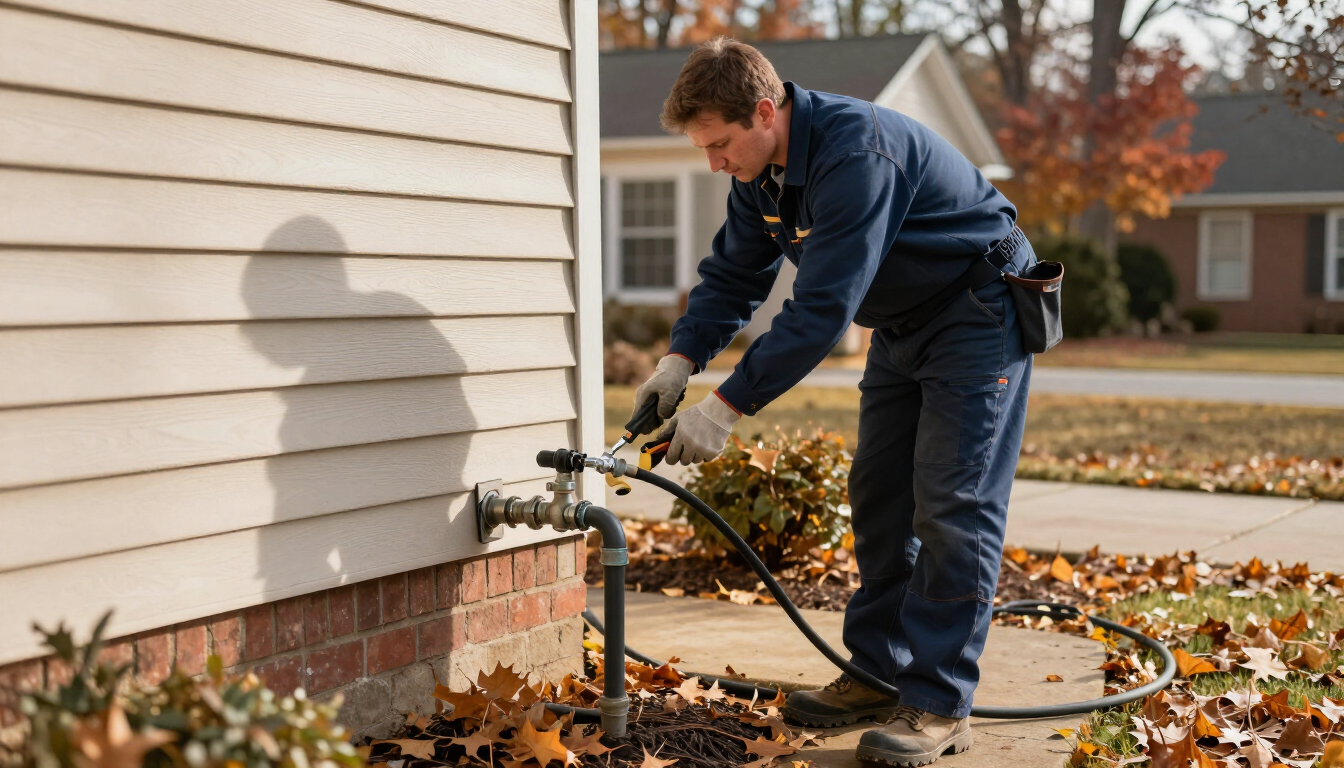
Every homeowner loves the feeling of fixing something themselves. There is a unique sense of pride that comes from turning a wrench and seeing a problem vanish. However, when it comes to the intricate network of pipes, valves, and heaters that make up your home's infrastructure, the line between a quick fix and a total disaster is incredibly thin. At MasterCraft Plumbing, we see it all the time: a small DIY project that spiraled into an emergency involving thousands of dollars in water damage. Understanding when to call a professional is the best way to protect your investment and your family's comfort.
Why is DIY plumbing often dangerous for your home?
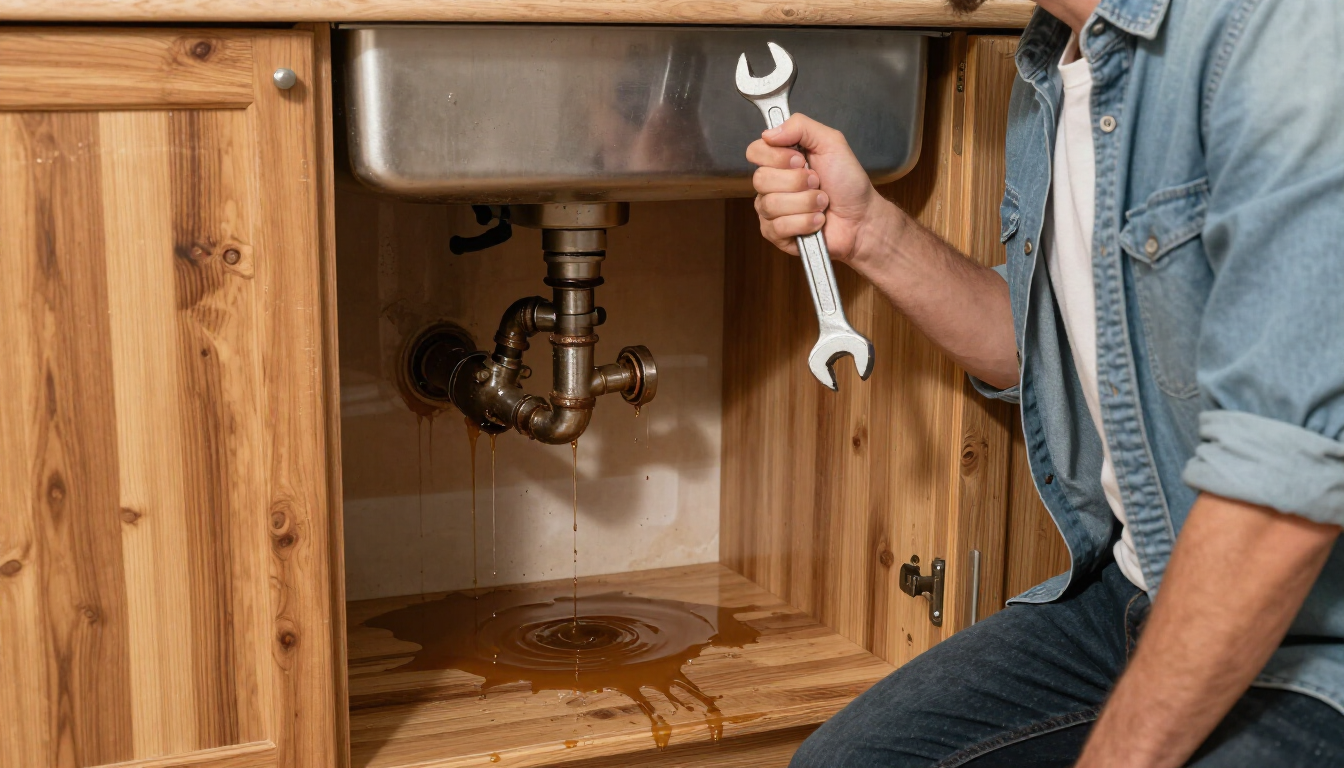
Plumbing systems are more than just tubes carrying water; they are precisely balanced systems involving pressure, venting, and gravity. When you attempt a repair without seeing what is behind the scenes of these dynamics, you risk creating a ripple effect of issues. For instance, using the wrong type of sealant or over-tightening a fitting can lead to hairline fractures. These cracks might not leak immediately, but over time, they can burst while you are away at work or asleep, flooding your home. Furthermore, many DIYers unknowingly use chemical drain cleaners that can actually corrode older pipes, turning a simple blockage into a full-scale repiping services requirement.
5 Major Risks of Unprofessional Repairs
- Cross-Contamination: Incorrectly installing valves can allow dirty water to flow back into your clean drinking supply, posing a severe health risk to your household.
- Code Violations: Local building codes are strict for a reason; unpermitted work can lead to fines and may even prevent you from selling your home in the future.
- Hidden Water Damage: A small drip behind a wall can lead to black mold growth and structural rot long before you see a wet spot on the drywall.
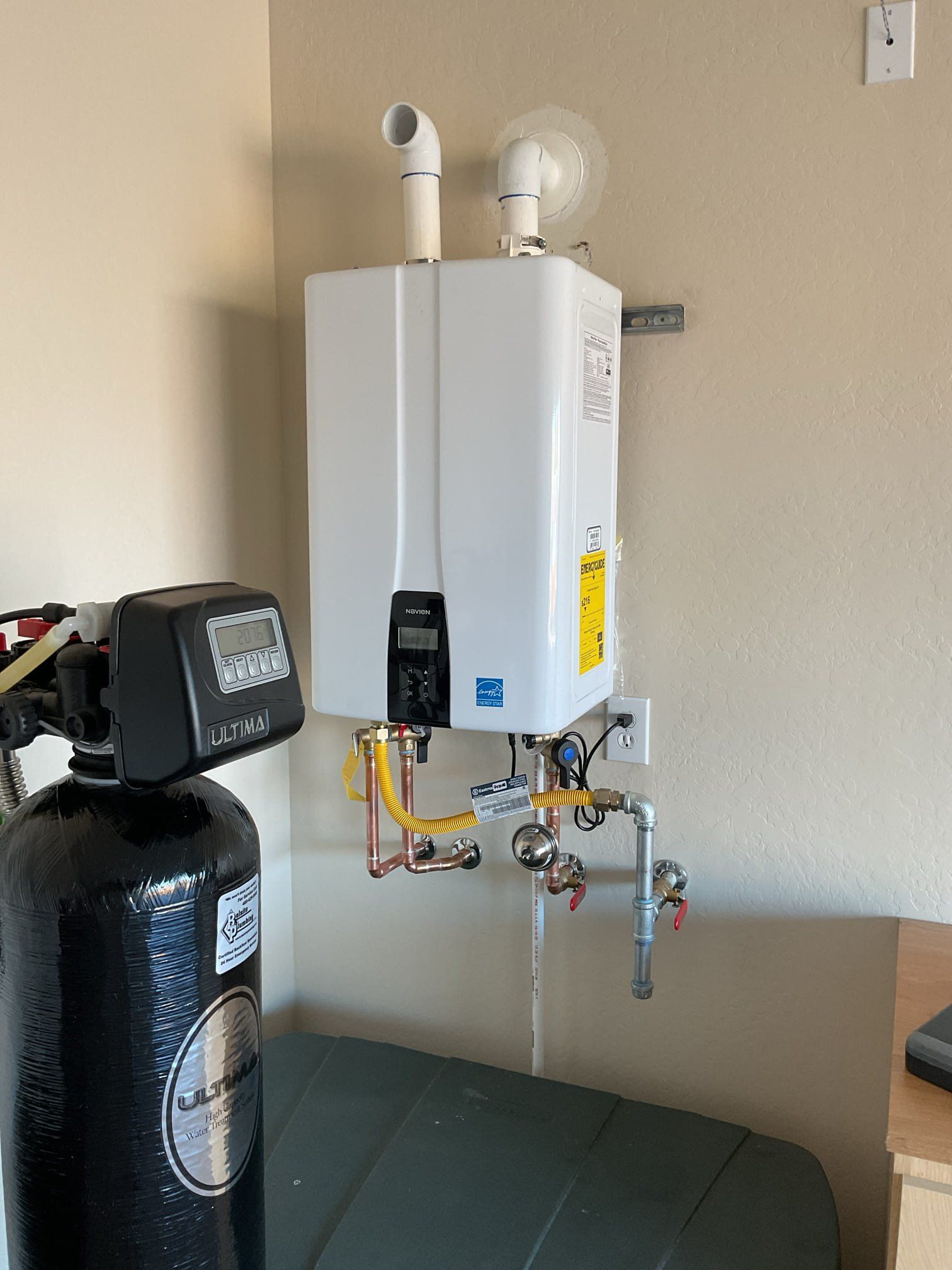
- Voided Warranties: Many modern appliances, like high-efficiency water heaters, require professional installation to keep their manufacturer warranties valid and active.
- Personal Injury: Dealing with high-pressure lines or gas pipes is inherently dangerous. One wrong move can lead to explosions, fires, or severe physical burns.
What plumbing tasks are safe for homeowners to DIY?
Not every dripping faucet requires a service call. If you are handy with a few basic tools, there are several maintenance tasks that are perfectly safe to handle on your own. For example, replacing a worn-out toilet flapper or a showerhead is a great way to save water and money. These tasks generally involve "above-ground" components where a mistake is easily spotted and quickly contained. You can also handle basic bathroom plumbing maintenance like cleaning out your faucet aerators to improve water flow or tightening a loose handle that has started to wiggle over time.
How to Unclog a Sink Drain Safely
Before you reach for a bottle of harsh chemicals, try these mechanical methods to clear a slow drain. These are generally safer for your pipes and more effective at removing the actual cause of the clog. If these steps do not work, it is a sign that the blockage is deeper in the system, and you should call for drain cleaning and sewer services immediately.
- Use a Plunger: Create a tight seal over the drain and use firm, vertical pumps to use air pressure to dislodge the debris.
- Clean the P-Trap: Place a bucket under the U-shaped pipe beneath the sink, unscrew the slip nuts, and manually remove any trapped hair or soap scum.
- Snake the Line: Use a small hand-held drain auger to gently reach further into the pipe and hook onto any stubborn clogs that the plunger couldn't move.
- Boiling Water: For kitchen sinks with grease buildup, pouring a kettle of boiling water down the drain can sometimes melt away the residue.
- Baking Soda and Vinegar: A natural foaming reaction can help break up minor organic material without the risk of pipe corrosion found in commercial acids.
Essential Tools for Minor Home Plumbing Fixes
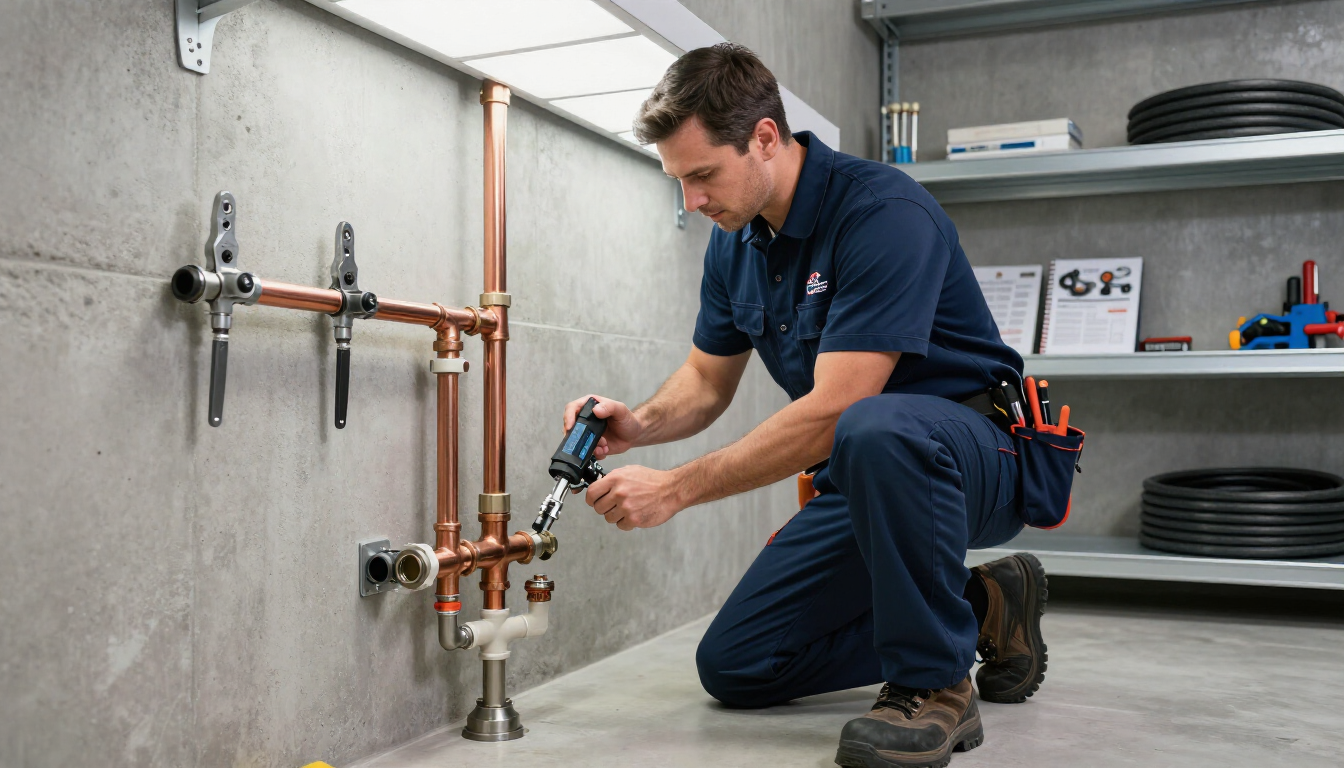
If you plan on tackling minor maintenance, you should have a small kit ready. Having the right tool prevents you from stripping bolts or damaging finishes on your fixtures. Always remember to turn off the water supply to the specific fixture or the whole house before you begin any work that involves opening a pressurized line.
- Tongue-and-Groove Pliers: Essential for gripping and turning pipes, nuts, and fittings of various sizes.
- Basin Wrench: A specialized tool designed to reach the hard-to-access nuts behind a sink that hold the faucet in place.
- Plumber’s Tape (Teflon Tape): Used on threaded connections to ensure a watertight seal and prevent future leaks.
- Hacksaw: Useful for cutting plastic or metal pipes to length if you are replacing a small section of a drain line.
- Cup Plunger and Flange Plunger: Use the cup for sinks and the flange version specifically for toilets to get the best suction.
When is it time to call MasterCraft Plumbing?
There comes a point where DIY transitions from being a cost-saver to a liability. If you encounter any of the following scenarios, we encourage you to put down the wrench and reach out to our team of experts. We have the training and equipment to diagnose the root cause of the problem, ensuring that the repair is permanent and safe. Whether it is a mystery leak or a major system failure, professional intervention is the only way to guarantee peace of mind.
- Main Line Blockages: If multiple drains in your home are backing up at once, the problem is in your main sewer line, which requires heavy-duty machinery.
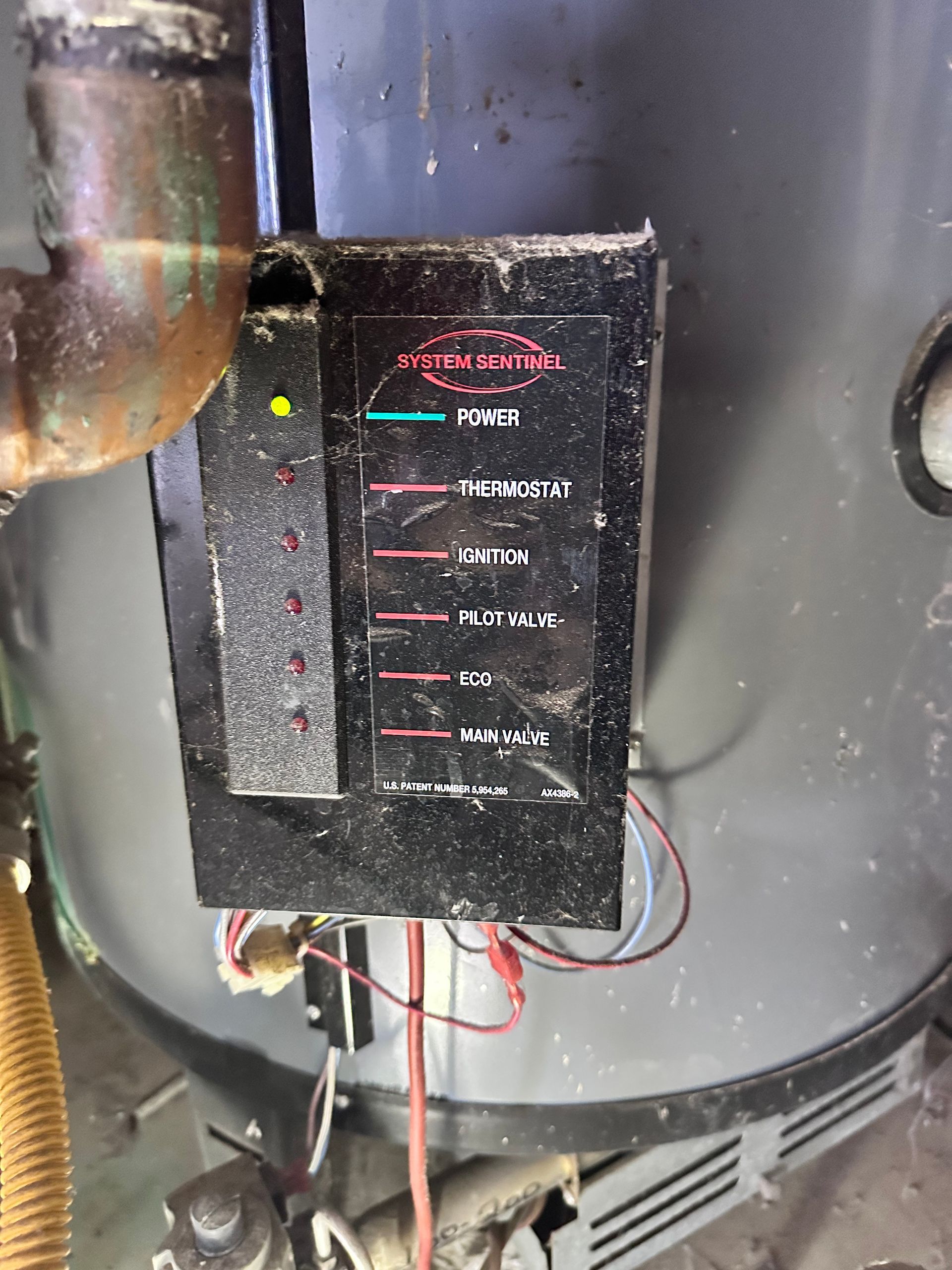
- Water Heater Failures: Whether it is a leak or a lack of hot water, water heater services should always be handled by pros due to the risk of gas leaks or electrical shocks.
- Low Water Pressure: If your whole house suddenly has low pressure, it could indicate a break in the main line or a failing pressure regulator.
- Major Installations: Any time you are adding new fixtures or moving pipes for a renovation, you need a licensed plumber to ensure everything is up to code.
- Unexplained Dampness: If you notice wet spots on the floor or a spike in your water bill, you need professional leak detection and repair to find the source without tearing up your home unnecessarily.
Why Professional Expertise Outperforms DIY
Our licensed and insured team at MasterCraft Plumbing brings decades of collective experience to every job. We don't just fix the symptom; we find the underlying cause. When a homeowner attempts a plumbing repairs job, they often focus on the immediate leak, but they might miss the fact that the leak was caused by high system pressure or acidic water eating away at the pipes. By hiring a professional, you are investing in a comprehensive evaluation of your home’s health. We use advanced technology, like thermal imaging and sewer cameras, to see things that are invisible to the naked eye. This proactive approach saves you money in the long run by preventing future emergencies.
Summary: Making the Right Choice for Your Pipes
Deciding between a DIY project and calling in the experts at MasterCraft Plumbing depends on the complexity and location of the issue. While small tasks like swapping a showerhead or plunging a toilet are great for handy homeowners, anything involving gas, major water lines, or hidden leaks requires a professional touch to avoid dangerous mistakes and expensive damages.
- Prioritize Safety: Never work on gas lines or high-voltage water heaters yourself.
- Protect Your Assets: Professional repairs preserve your home's value and keep your warranties intact.
- Know Your Limits: If you aren't 100% sure how a system works, don't take it apart.
- Call the Experts: Contact MasterCraft Plumbing for any complex residential plumbing services .
If you're in Northeast Georgia and facing a plumbing challenge that feels a bit too big for a DIY afternoon, don't wait for a flood to happen. Contact us today to schedule a consultation or repair. We serve various areas including being your go-to plumber in Jefferson and providing expert help as a plumber in Gainesville . Let us handle the hard work so you can get back to enjoying your home without the stress of a plumbing disaster.