How to Choose Water Heater Repair or Replacement
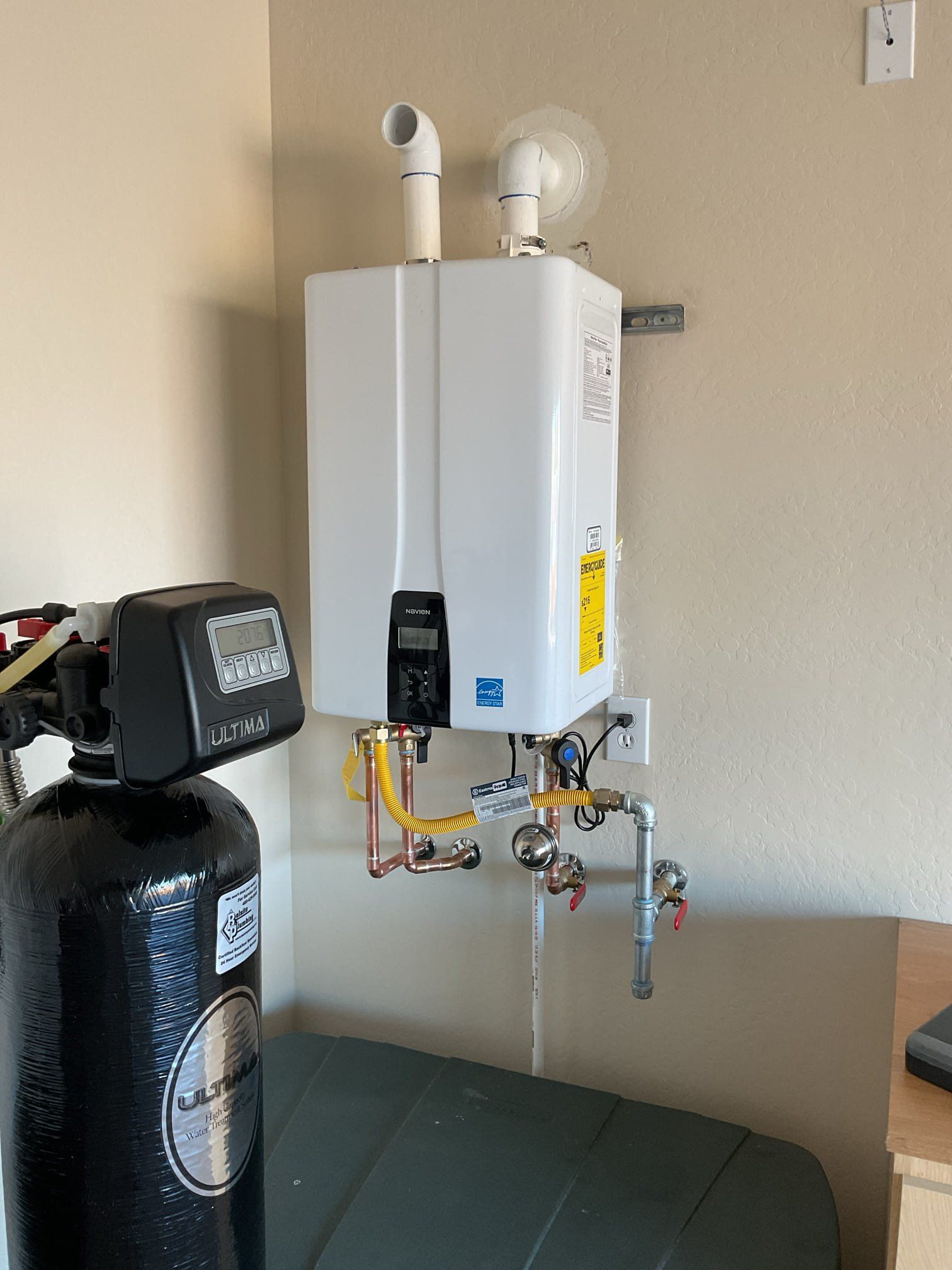
Water heater repair and replacement decisions usually depend on the appliance’s age, condition, safety, and repair cost. Warning signs such as rusty water, leaks, unusual noises, inconsistent temperatures, or frequent shutdowns may indicate a developing problem. A licensed plumber from MasterCraft Plumbing can identify the cause and recommend the safest, most cost-effective solution.
What Are the Most Common Water Heater Warning Signs?
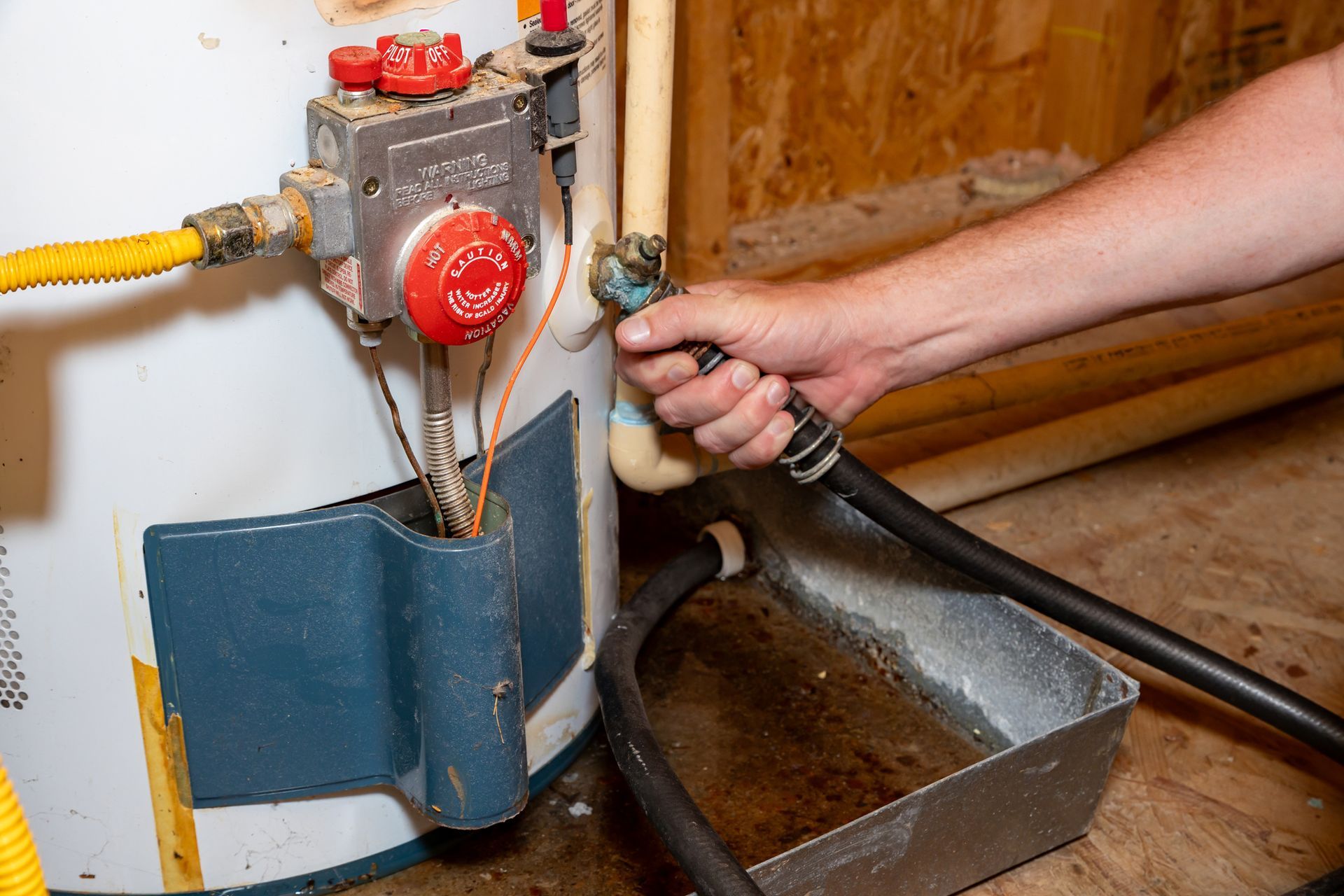
Some water heater problems begin gradually, while others require immediate attention. Watch for these signs:
- Water around the tank: Even a small leak can become major water damage.
- Rusty or discolored hot water: This may indicate corrosion inside the tank or a failing anode rod.
- Rumbling, popping, or banging sounds: Sediment buildup can make the unit work harder and overheat.
- Inconsistent water temperature: Cold showers or fluctuating temperatures may point to a failing heating element, thermostat, or burner.
- Repeated shutdowns: A gas or electric unit that frequently stops working needs professional diagnosis.
If you notice active leaking, a gas smell, or signs of electrical damage, turn off the appropriate supply if it is safe to do so and request prompt service. MasterCraft Plumbing provides water heater services and emergency plumbing services for homeowners throughout Northeast Georgia.
When Should You Repair a Water Heater?
Water heater repair is often a practical choice when the tank is in good condition and the problem involves a replaceable component. Common repairable issues include:
- Failed heating elements
- Faulty thermostats
- Worn pressure-relief valves
- Broken drain valves
- Damaged anode rods
- Pilot light or ignition problems
- Minor connection leaks
Repair may make sense when the unit is relatively young, the tank itself is not corroded, and the estimated cost is reasonable compared with replacement. A professional inspection can help distinguish a single failed part from a larger system problem.
How Do You Know When Water Heater Replacement Is Better?
Water heater replacement is usually the better long-term option when the tank is leaking, severely corroded, or nearing the end of its expected service life. Replacement may also be wise when repairs are recurring or the unit no longer supplies enough hot water for your household.
Consider replacement if:
- The tank has developed a leak.
- The water heater is around 10 years old or older, depending on its type and maintenance history.
- Repair estimates approach the cost of a new, efficient unit.
- Your energy bills have increased without a clear explanation.
- Your household’s hot-water needs have changed.
A leaking tank generally cannot be permanently repaired because the interior lining or metal shell has failed. In that situation, replacement helps prevent flooding and property damage.
Repair or Replacement: Which Option Costs Less?
The lowest upfront price is not always the lowest total cost. Repair can be less expensive today, but replacement may provide better value if the water heater is old or inefficient.
Repair:
- Newer unit with one failed component
- Minor valve, thermostat, or element issue
Replace:
- Older unit with repeated breakdowns
- Leaking or corroded tank
- Not enough hot water after household changes
We provide clear estimates that explain labor, parts, warranties, expected service life, and any code-related updates. This makes it easier to compare a repair with the full cost of installing a new system.
What Causes Water Heater Problems?
Several conditions can shorten equipment life or reduce performance:
- Sediment settling at the bottom of the tank
- Hard water and mineral buildup
- Corrosion inside the tank
- High water pressure
- Poor installation or incorrect sizing
- Lack of routine maintenance
- Aging electrical, gas, or plumbing connections
Northeast Georgia homes can experience mineral buildup that affects fixtures and water-using appliances. If water quality is part of the problem, explore whole-home water filtration as a possible complementary solution.
How Can You Prevent an Unexpected Water Heater Failure?
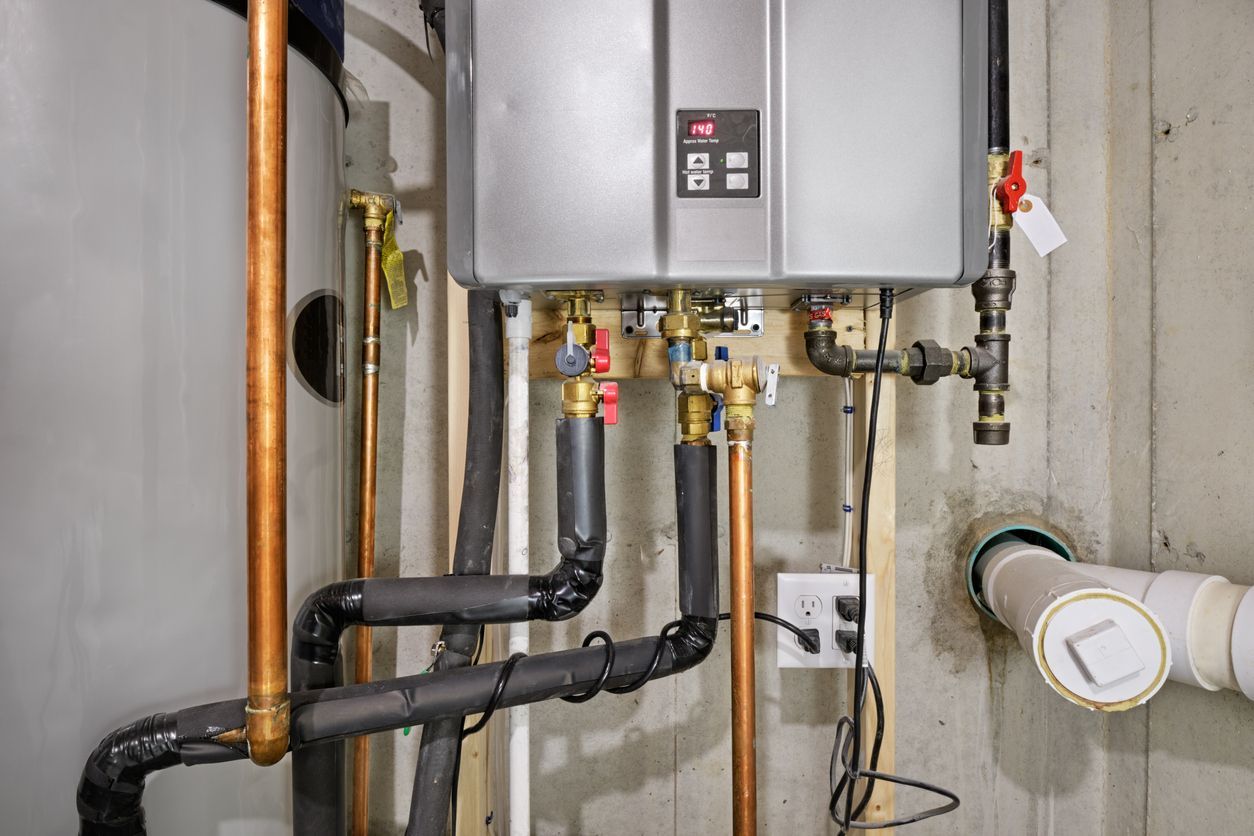
Routine maintenance cannot prevent every failure, but it can improve efficiency and reveal problems earlier. Homeowners can:
- Check the area around the unit for moisture or corrosion.
- Avoid storing belongings where a small leak could go unnoticed.
- Test temperature and hot-water consistency periodically.
- Schedule professional maintenance based on the manufacturer’s guidance.
- Ask whether flushing, anode-rod inspection, or pressure testing is appropriate.
- Learn where the water and fuel shutoffs are located.
Do not remove safety covers or attempt gas, electrical, or pressure-valve repairs yourself. Water heaters combine water, electricity or gas, heat, and pressure, so unsafe work can cause injury or property damage.
What Should You Ask a Plumber Before Service?
Before approving water heater repair or replacement, ask:
- What caused the problem?
- Is the tank structurally sound?
- What is the estimated remaining service life?
- What will the repair include, and how long should it last?
- What replacement size and type fit my home?
- Are permits, code updates, disposal, or warranty coverage included?
A trustworthy plumber from MasterCraft Plumbing will explain the options in plain language rather than recommending replacement automatically. For related plumbing concerns, you can also review plumbing repairs or residential plumbing services.
Frequently Asked Questions
Is a leaking water heater an emergency?
A significant leak, rapidly spreading water, gas odor, electrical damage, or flooding should be treated as urgent. If safe, shut off the water supply and fuel or power source, then contact a professional. Use emergency plumbing when immediate assistance is needed.
How long does a water heater usually last?
Many traditional tank water heaters last roughly 8 to 12 years, but installation quality, water conditions, usage, and maintenance affect longevity. Tankless systems may have different service-life expectations.
Can I replace a water heater myself?
Professional installation is recommended because the work may involve gas lines, electrical circuits, water pressure, venting, permits, and safety controls. Incorrect installation can create serious hazards and may affect warranty coverage.
Should I repair a 10-year-old water heater?
It depends on the failure and tank condition. A small, isolated repair may be reasonable, but recurring problems, corrosion, poor efficiency, or a leaking tank usually support replacement.
The Bottom Line
Water heater repair is often appropriate for a newer unit with one replaceable failed part. Water heater replacement is generally the safer, better-value choice when the tank leaks, corrosion is widespread, failures keep returning, or the system is near the end of its service life. Start by documenting the warning signs, checking for active leaks, and comparing the repair estimate with the cost and benefits of a new unit. Northeast Georgia homeowners can contact MasterCraft Plumbing for a professional evaluation and a clear recommendation.