5 Tankless Water Heater Benefits in 2026
A tankless water heater heats water only when you need it, rather than storing gallons in a tank. In 2026, homeowners choose this system for on-demand hot water, improved energy efficiency, space savings, longer service life, and the convenience of a continuous supply when properly sized and installed.
1. Can a tankless water heater lower energy use?
Yes. A traditional storage water heater repeatedly heats water, even when nobody is using it. That standby heating can account for a meaningful portion of water-heating costs. A tankless model activates when a faucet or shower calls for hot water, helping reduce energy wasted between uses.
Energy savings depend on several factors, including your household’s water habits, fuel type, incoming water temperature, unit efficiency, and installation quality. Still, avoiding constant reheating is one of the most practical reasons homeowners consider a tankless water heater in 2026.
For the best results:
- Choose a unit sized for your household’s peak demand.
- Compare gas and electric models based on available utilities.
- Set a safe, comfortable temperature.
- Schedule professional maintenance as recommended.
2. Will a tankless water heater provide endless hot water?
A properly sized tankless water heater can provide hot water continuously because it does not depend on a finite tank. As long as the system has fuel, electricity, water flow, and enough capacity, it can keep heating water while you shower, wash dishes, or run laundry.
That does not mean unlimited flow. Every unit has a maximum gallons-per-minute rating. If several fixtures run at once, the water may become less hot or the flow may not meet expectations. A professional evaluation can account for simultaneous showers, appliances, and faucets before recommending a model.
This makes tankless systems especially appealing for larger households and homeowners who regularly run out of hot water with a conventional tank.
3. How much space can you save?
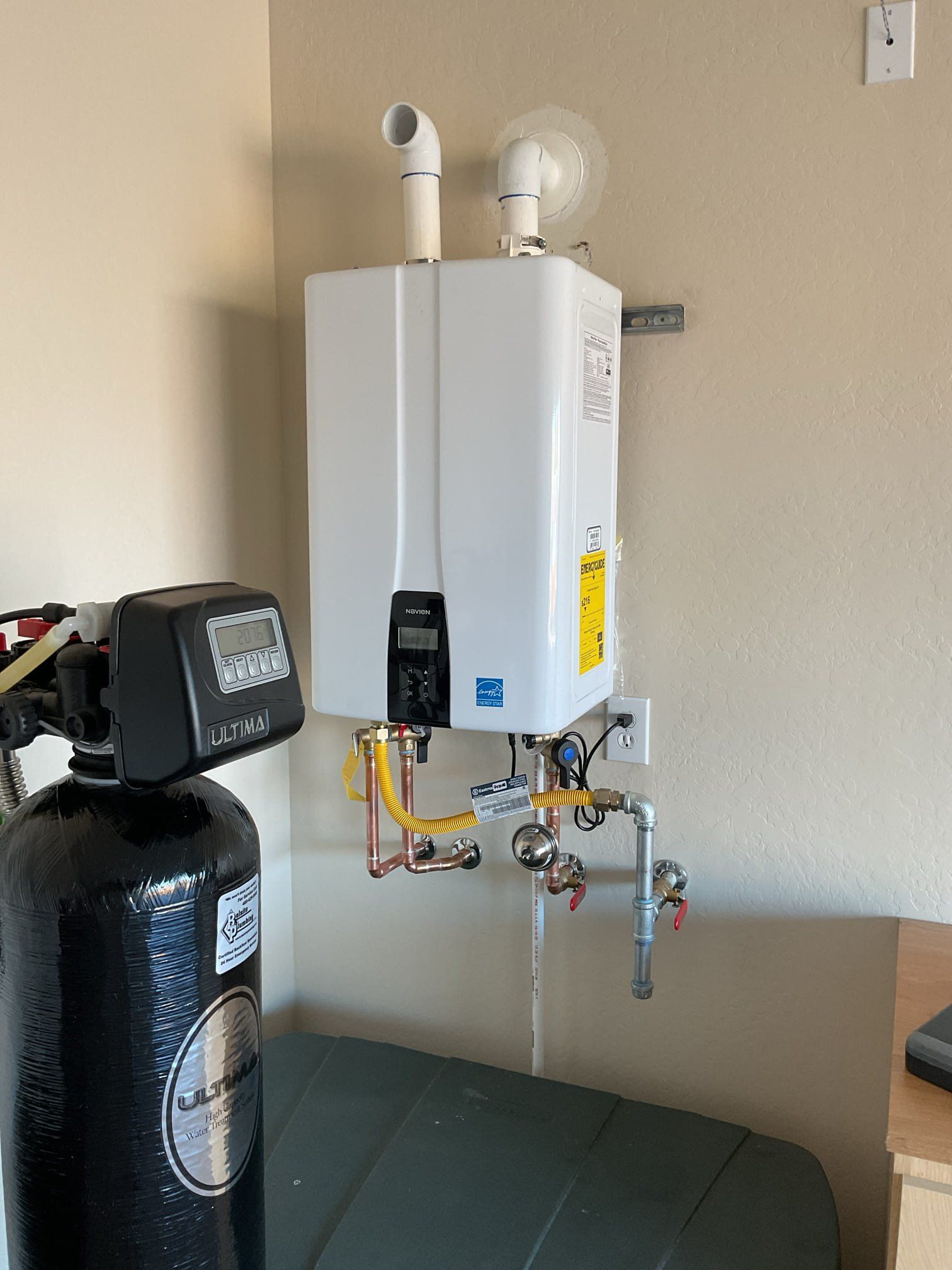
Tankless units are compact and mounted on a wall, while traditional water heaters occupy valuable floor space. That difference can make a utility closet, garage, basement, or laundry area easier to organize and use.
The space benefit is particularly helpful when replacing an older system in a tight area. However, installation requirements still matter. Gas units may need appropriate venting, and electric units may require adequate electrical capacity. The installation location must also allow access for service and follow local safety requirements.
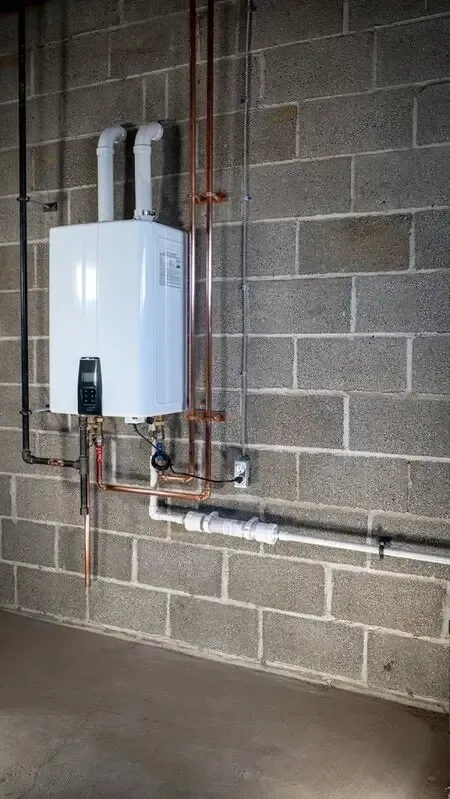
Before choosing a unit, have a licensed professional inspect the existing connections, venting, gas supply, electrical service, and water lines. Explore MasterCraft Plumbing’s water heater services to learn more about professional options.
4. Does a tankless water heater last longer?
Tankless water heaters often have a longer expected service life than conventional storage units when they are correctly installed and maintained. A storage tank is constantly exposed to heated water, mineral buildup, and corrosion. A tankless system avoids storing a large volume of hot water, which can reduce some forms of wear.
Longevity is not automatic. Northeast Georgia’s water conditions, usage level, installation quality, and maintenance schedule all influence performance. Mineral deposits can restrict flow and reduce heating efficiency, so periodic flushing may be necessary, especially in areas with hard water.
Helpful maintenance steps include:
- Follow the manufacturer’s service recommendations.
- Have the heat exchanger inspected and flushed when needed.
- Keep air intake and exhaust areas clear.
- Watch for error codes, unusual noises, or inconsistent temperatures.
- Address small performance changes before they become major repairs.
5. Is a tankless water heater a good long-term investment?
A tankless water heater can offer long-term value through lower standby energy use, reduced space requirements, reliable hot water, and a potentially longer lifespan. The upfront purchase and installation cost may be higher than replacing a standard tank, so the right choice depends on your home and budget.
A useful comparison should include more than the equipment price. Consider installation modifications, fuel costs, maintenance, expected service life, warranties, household demand, and the cost of future replacement. A professional can also explain whether your home needs upgrades to gas lines, electrical service, venting, or water connections.
Financing may help qualified homeowners manage the initial investment. Review financing options before making a decision, and ask for a clear estimate that separates equipment, labor, permits, and any required upgrades.
Tankless versus traditional water heaters
A quick comparison can help clarify which system fits your priorities:
Tankless water heater:
- Compact, wall-mounted design
- Hot water supply is continuous when properly sized
- Avoids most standby heating
- Upfront Cost: often higher (ask about MasterCraft's tankless water heater specials)
- Periodic flushing and inspection maintenance
- Service life is often longer with proper care
Traditional tank water heater:
- Requires floor space
- Hot water supply is limited by tank capacity
- Reheats stored water regularly
- Upfront Cost: often lower
- Tank and component maintenance
- Service life is typically shorter
Both options can be ideal for your home. A conventional tank may make sense when a simple, lower-cost replacement is the priority. A tankless model may be a better fit when you want space savings, frequent hot water, and improved efficiency over time.
What should homeowners consider before installing one?
Ask these questions before you commit:
- How many fixtures may need hot water at the same time?
- Is gas, propane, or electricity the best available energy source?
- Does the existing plumbing support the new system?
- Will the home need electrical, gas, or venting upgrades?
- What maintenance will the manufacturer require?
Sizing is one of the most important decisions. A unit that is too small may struggle during peak demand, while an oversized system may increase the project cost without providing meaningful benefits. Your plumber should calculate flow rate and temperature rise rather than relying only on the number of people in the home.
Installation also affects comfort. Tankless systems may have a brief delay before hot water reaches a fixture because water still has to travel through the pipes. Recirculation solutions may improve convenience in some homes, but they should be evaluated for energy use and compatibility.
Frequently asked questions
How long does a tankless water heater take to pay for itself?
The payback period varies by energy rates, household usage, unit efficiency, installation cost, maintenance, and service life. Ask for a home-specific comparison rather than relying on a general estimate.
Do tankless water heaters work during a power outage?
Most modern tankless units need electricity for controls and ignition, even when they use gas for heating. Without backup power, hot water may not be available during an outage.
Are tankless water heaters difficult to maintain?
They are not necessarily difficult to maintain, but they do require attention. Periodic inspection and flushing can help protect the heat exchanger and preserve performance, particularly where mineral buildup is a concern. Ask about our MasterCraft Plumbing Membership to save on annual maintenance.
Who should install a tankless water heater?
Use a qualified, licensed plumbing professional familiar with gas, electrical, venting, water flow, and manufacturer requirements. Poor sizing or installation can lead to inconsistent temperatures, safety concerns, and premature wear. Our team here at MasterCraft Plumbing is fully trained and ready to install your new tankless water heater today. With over 1,000 positive reviews, we are available and ready to assist you with excellent customer service along the way.
The bottom line
A tankless water heater is worth considering in 2026 if you want on-demand hot water, more usable space, lower standby energy waste, and potential long-term value. It is especially useful for households that frequently run out of hot water or are replacing an aging system. The best choice depends on peak demand, available utilities, installation requirements, maintenance, and budget. Start by comparing your current water-heating costs and usage, then ask a trusted professional for sizing advice and a complete installation estimate. Contact MasterCraft Plumbing for help evaluating your home in Northeast Georgia. Give us a call at 404-456-1144 today.