7 Ways to Winterize Your Plumbing in Georgia
Winterizing your plumbing means preparing pipes, outdoor faucets, water heaters, and drains for colder weather before problems start. In Northeast Georgia, a fall plumbing check can help prevent frozen pipes, burst lines, water damage, and emergency repair costs. The right preparation is simple, practical, and easier to complete before the first hard freeze.
Why should you winterize your plumbing in Northeast Georgia?
Although Northeast Georgia usually has milder winters than many parts of the country, sudden freezes can still damage exposed plumbing. A single cold night may freeze water inside an outdoor faucet, hose bib, sprinkler line, or poorly insulated pipe.
Winterizing your plumbing in the fall is especially important if you:
- Have outdoor faucets, hoses, or irrigation connections
- Own a vacant home, rental property, or vacation property
- Have plumbing in a crawl space, garage, attic, or exterior wall
- Have older pipes or a history of freezing problems
- Plan to travel during the winter
A few preventive steps can protect your home and help you avoid an inconvenient emergency call.
1. Disconnect and drain outdoor hoses
Leaving a garden hose connected can trap water inside the faucet and the pipe behind it. When temperatures drop, that water can freeze, expand, and crack the faucet or supply line.
Before cold weather arrives:
- Disconnect every garden hose.
- Drain the hose and store it indoors or in a protected area.
- Check the faucet for dripping or leaking.
- Make sure the connection is not holding water.
If an outdoor faucet continues to drip after the hose is removed, schedule plumbing repairs before winter conditions make the issue worse.
2. Protect outdoor faucets and exposed pipes
Outdoor faucet covers can add protection, but they do not replace repairs or proper insulation. Install an insulated cover over each hose bib, especially on the side of the home that receives little sunlight.
Look for exposed pipes in:
- Crawl spaces
- Garages
- Attics
- Unheated storage areas
- Exterior walls
Foam pipe insulation is useful for accessible pipes. However, insulation should not cover an existing leak or conceal damaged plumbing. If you see corrosion, bulging, or split insulation, have the line evaluated first.
3. Should you let faucets drip during a freeze?
Letting a faucet drip can sometimes reduce pressure in a vulnerable water line during extremely cold weather, but it is not a complete winterization strategy. It may also waste water or fail to protect pipes in an unheated area.
If temperatures are expected to remain below freezing:
- Open cabinet doors below sinks on exterior walls.
- Keep indoor heat set consistently, even when away.
- Leave interior doors open so warm air can circulate.
- Know where your main water shutoff is located.
- Ask a plumber whether a vulnerable line needs additional protection.
Do not rely on a dripping faucet if a pipe is already frozen, leaking, or inaccessible. In that situation, contact a professional promptly.
4. Check your water heater before colder weather
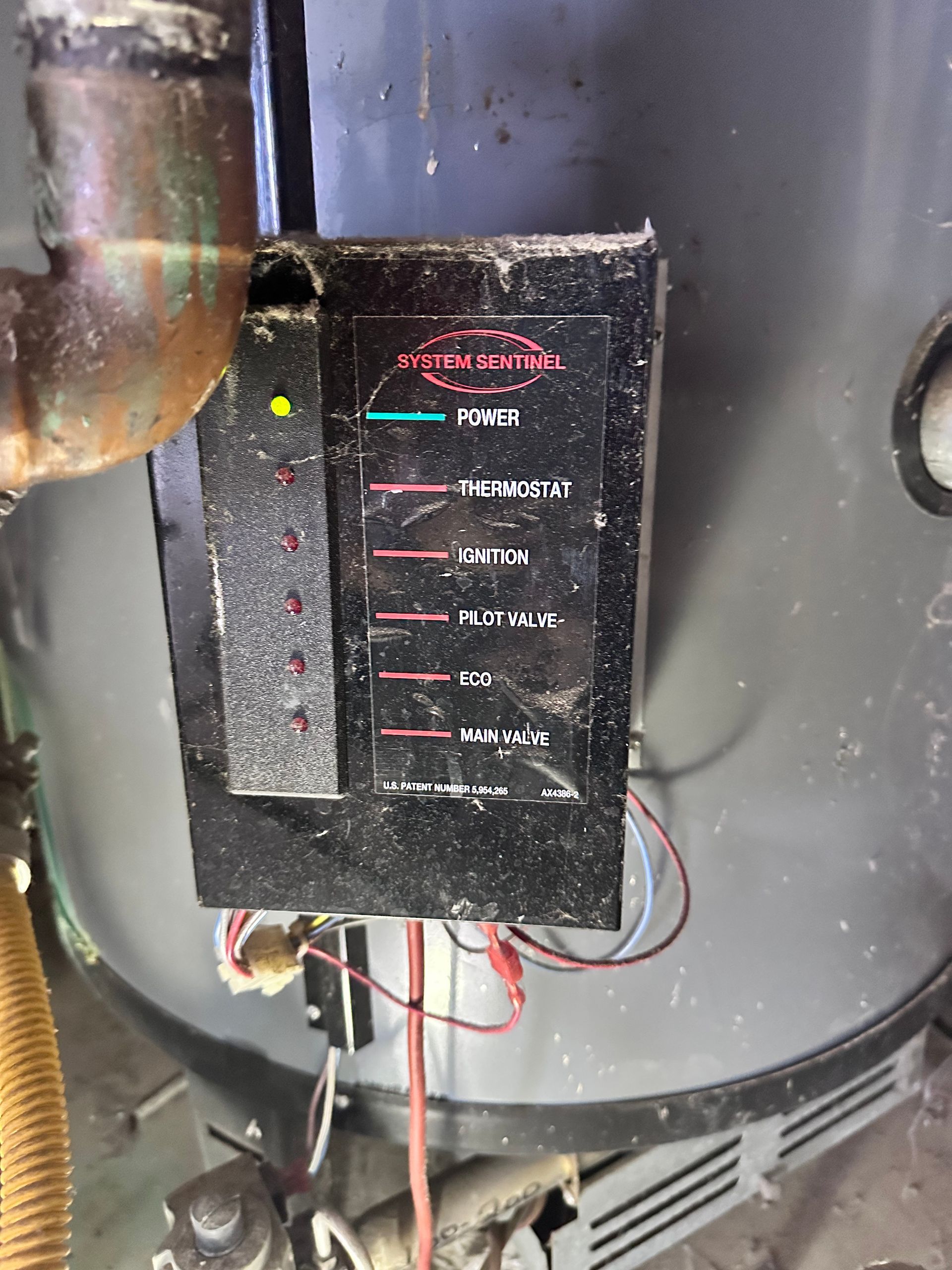
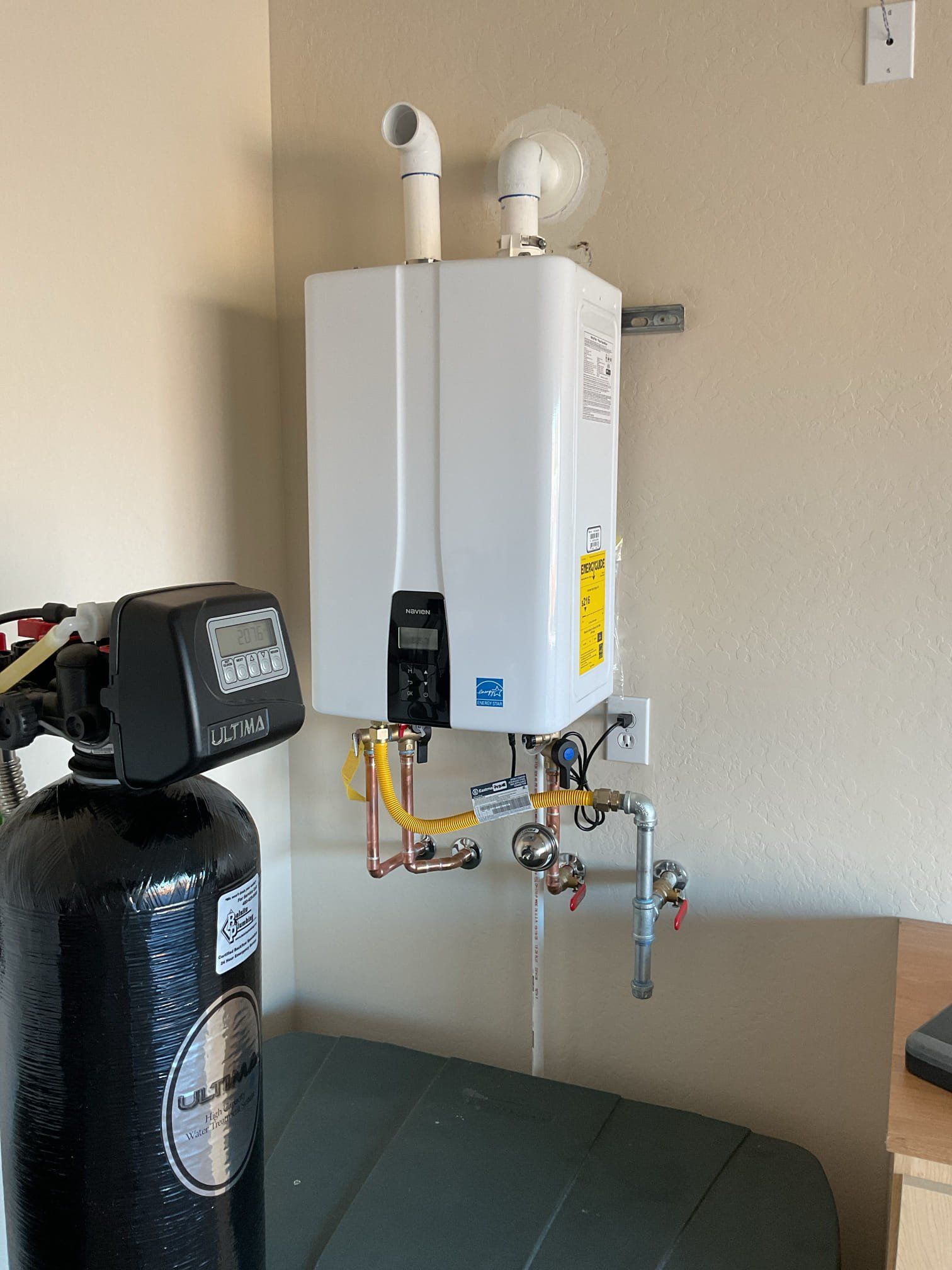
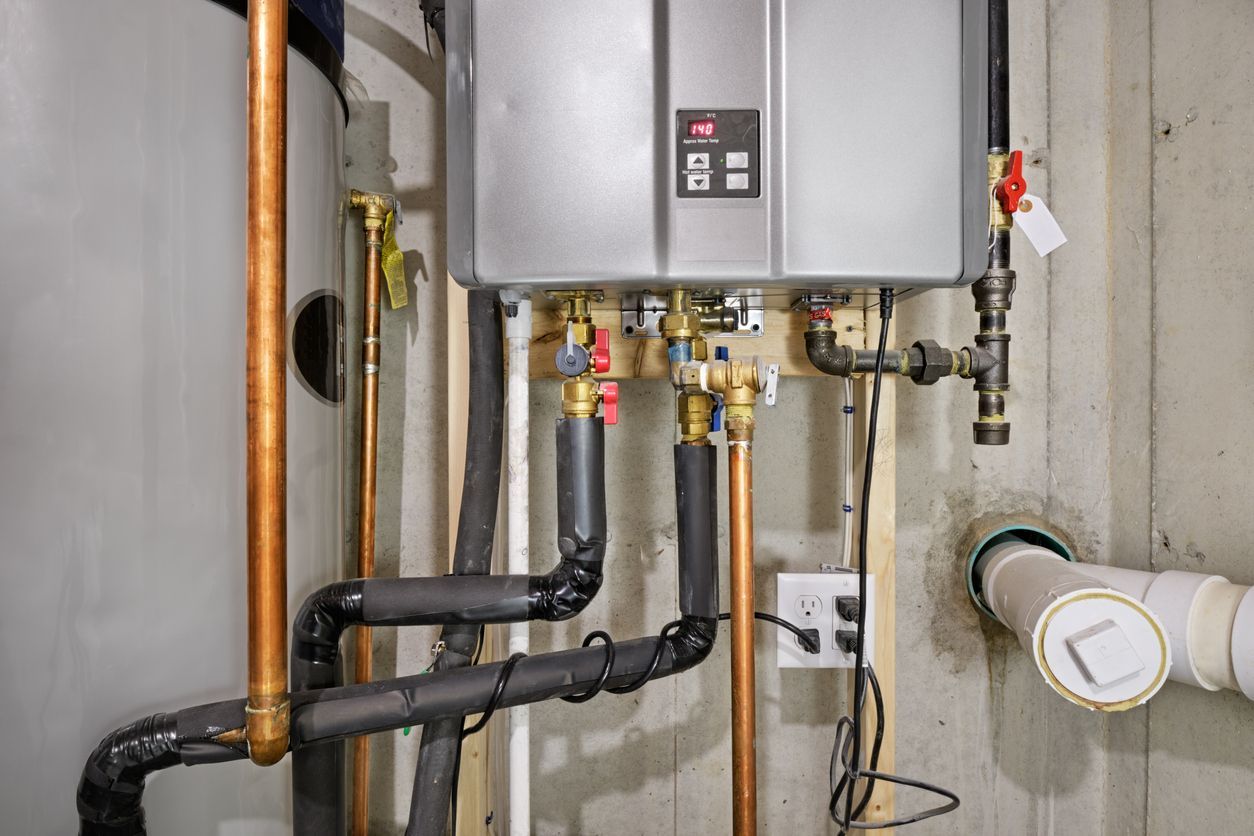
Your water heater works harder when incoming water is colder. Fall is a good time to look for warning signs, including rusty water, unusual noises, slow recovery, leaking around the tank, or inconsistent hot water.
A basic visual check should include:
- Water around the base of the tank
- Corrosion on connections or the tank body
- Damaged temperature and pressure relief piping
- Loose or deteriorated insulation
- Unusual popping, rumbling, or banging sounds
Never adjust safety controls or attempt a gas repair without the proper training. For inspection, maintenance, or replacement options, visit our water heater services page.
5. Test for leaks before winter arrives
Small leaks can become major plumbing problems when temperatures change. Check under sinks, around toilets, near appliances, at exposed pipe joints, and around the water heater.
You can also perform a simple water meter test. Turn off faucets and water-using appliances, record the meter reading, and check it again after about 30 minutes. If the reading changes, your property may have a hidden leak.
A professional leak detection and repair inspection can help locate leaks behind walls, under slabs, or below the yard before they cause serious damage.
6. Clean drains and prepare sewer lines
Fall leaves, grease, hair, and sediment can contribute to slow drains and backups. Cold weather will not cause every drain problem, but it can make an existing blockage more disruptive.
Watch for these warning signs:
- Gurgling drains
- Water draining slowly
- Repeated toilet clogs
- Sewage odors
- Water backing up in a tub or floor drain
Do not pour chemical drain cleaner into a completely blocked line or combine different products. Professional drain cleaning and sewer services can address buildup and help identify larger problems.
7. Make a plan for vacant or unoccupied properties
If you will be away during freezing weather, do not assume the home is protected simply because the thermostat is on. A power outage, heating failure, or small leak can create extensive damage while no one is present.
Before leaving:
- Keep the thermostat at a dependable temperature.
- Ask someone to check the property regularly.
- Insulate exposed plumbing where appropriate.
- Know the location of the main shutoff valve.
- Consider shutting off the water if the property will be vacant for an extended period.
A plumber can help determine whether draining the system is appropriate for your home or commercial property.
What should you do if a pipe freezes?
If a pipe may be frozen, turn off the main water supply and open the affected faucet. Do not use an open flame, torch, or high-heat device to thaw it. Apply gentle warm air only if the pipe is accessible and there are no signs of a leak or electrical hazard.
Call for professional help immediately if:
- A pipe has burst
- Water is actively leaking
- You cannot find the shutoff valve
- The frozen pipe is inside a wall or ceiling
- You smell gas or see electrical equipment near water
For urgent problems, contact MasterCraft Plumbing for emergency plumbing assistance.
When should you call a plumber for winter preparation?
Call a professional before winter if you notice recurring leaks, low water pressure, damaged pipes, poor drainage, or plumbing located in an unheated space. You should also schedule an inspection if your home has older galvanized, polybutylene, or heavily corroded piping.
If an inspection shows widespread deterioration, repiping services may provide a longer-term solution than repeated spot repairs. A plumber can also evaluate your water lines, shutoff valves, and vulnerable fixtures as part of a broader maintenance visit.
Fall plumbing checklist
Use this quick checklist before the first freeze:
- Disconnect, drain, and store outdoor hoses.
- Cover outdoor faucets and insulate exposed pipes.
- Check the water heater for leaks or unusual noises.
- Test for hidden leaks and repair dripping fixtures.
- Clear slow drains and address sewer warning signs.
Frequently asked questions
What temperature causes pipes to freeze?
Pipes can freeze when temperatures remain at or below 32°F, but exposure, wind, insulation, and pipe location also matter. Plumbing in crawl spaces, garages, exterior walls, and outdoor fixtures may freeze sooner.
Is pipe insulation enough to prevent freezing?
Pipe insulation slows heat loss but may not prevent freezing during a prolonged hard freeze. Insulation works best with consistent indoor heat, protected outdoor fixtures, and properly sealed drafts.
Should I shut off my water before a freeze?
For a normal occupied home, shutting off the entire water supply is usually unnecessary. It may be appropriate for an extended vacancy, but the system may need to be drained correctly. Ask a qualified plumber before making that decision.
How often should plumbing be inspected?
A yearly inspection is a practical schedule for most homes and businesses, with fall being an ideal time to identify winter risks. Older homes, rental properties, and buildings with previous leaks may benefit from more frequent checks.
Get your plumbing ready for winter
The best time to winterize your plumbing is before freezing weather arrives. Disconnect hoses, protect outdoor faucets, inspect exposed pipes, check the water heater, test for leaks, and address slow drains early. These steps are especially useful for Northeast Georgia homes and businesses that may face sudden temperature drops. If you find a leak, damaged pipe, frozen line, or recurring drainage issue, do not wait for it to become an emergency. Review MasterCraft Plumbing’s residential services or contact our team to schedule professional help.