Discussing the Code: Plumbing Code 101 in Georgia

If you’ve ever heard a plumber say, “That’s not to code,” and wondered if that was just trade-talk…it’s not.
The plumbing code is one of those things most homeowners never think about - until something goes wrong. Murphy's law would show us that when it goes wrong, it’s not a little wrong, It's bad. Things like water damage, sewer smells, mold, contamination risk, a failed inspection, or a surprise problem during a home sale.
So let’s talk about it in plain English:
● What the plumbing code is
● Who writes it and who enforces it
● What the State of Georgia uses
● How Georgia amends the base code
● Why it matters in real life (not just on paper)
● A few common examples you can spot in your own home
The code isn’t a suggestion, it’s the safety line
Here’s the simplest way to think about plumbing code: Code is the minimum safety standard for how water comes in, how waste goes out, and how your home stays protected in the process. Not “best practices.” Not “how we prefer to do it.” Minimum standard. And it exists because the consequences of bad plumbing aren’t minor. Plumbing mistakes can create:
● Cross-contamination between drinking water and waste water
● Sewer gas entering the home
● Hidden leaks inside walls
● Scalding risks and water heater hazards
● Structural damage and mold issues
Plumbing code is the guardrail that keeps “it works today” from turning into “this will hurt somebody later.”
Who makes the plumbing code?
Most plumbing codes start as model codes - basically a “best national template” created by code organizations.
In Georgia, the plumbing code is built off the International Plumbing Code (IPC), published by the International Code Council (ICC), and then Georgia adds state-specific amendments. That means there’s a “base” code and then Georgia fine-tunes it.
Who enforces it?
This is where it gets practical. Even though the State adopts the minimum code, the day-to-day enforcement happens locally:
● Your city/county building department
● Plans reviewers (on bigger projects)
● Inspectors (rough-in, top-out, final, etc.)
If you pull a permit (and you should), an inspector is the person verifying that the work meets code and is safe.
What plumbing code does Georgia use?
As of the current code cycle, Georgia’s plumbing code is: 2024 International Plumbing Code (IPC), with Georgia State Amendments - effective January 1, 2026. The Georgia Department of Community Affairs (DCA) publishes what they call the State Minimum Standard Codes for Construction, including plumbing. So when someone says “Georgia plumbing code,” what they really mean is: IPC (2024) + Georgia Amendments (2026).
“Georgia amendments” - what does that mean?
It means Georgia can take a rule in the IPC and do one of three things:
- Keep it as-is
- Modify it
- Delete/replace it
And Georgia does make meaningful changes. If you really want to dig in here is a link to some GA amendments (https://rules.sos.ga.gov/gac/110-11-1)
Example: Georgia deletes IPC Chapter 1 (Scope & Administration)
One of the biggest behind-the-scenes changes is that Georgia deletes Chapter 1 of the IPC entirely, leaving it as a reference for local governments to build their own administrative procedures. Translation: The technical plumbing rules still apply, but your local permitting/inspection process and administrative requirements are handled at the local level.
Example: Georgia clarifies that appendices aren’t automatically enforceable
Georgia also spells out that code appendices aren’t enforceable unless they’re specifically referenced in the code body or adopted by the state or local authority having jurisdiction. Translation: Not everything printed in the back of the book automatically applies everywhere.
Can cities/counties make their own amendments?
Yes, but within limits. Local governments can adopt amendments, but Georgia has a process for it. Proposed local amendments are submitted to DCA, and DCA has 60 days to provide comments/recommendations. This means a city or jurisdiction can’t just make up plumbing rules because they feel like it. There’s a structure so the state stays consistent, and local changes are justified.
What plumbing code actually covers
Most homeowners assume plumbing code is “pipe stuff.” But it’s broader than that.
It covers things like:
● Potable water safety (keeping drinking water safe)
● Drainage and waste removal (getting waste out reliably)
● Venting (so drains work and sewer gas doesn’t enter the home)
● Backflow protection (preventing contamination)
● Water heaters and safety devices
● Fixture requirements
● Materials and approved methods
● Clearances and access
● Testing, disinfection, and commissioning in certain situations
The code isn’t there to annoy anybody, or be a set of rules that are ridiculous. It’s there because plumbing is one of the few systems in a home that can directly affect health and safety as well as the investment in your home.
A few real Georgia code changes that matter (and why you should care)
Below are a few examples from the 2026 Georgia amendments that connect to real life.
1) “High efficiency fixtures” get defined clearly
Georgia adds definitions for high efficiency plumbing fixtures and fittings, including flow-rate targets and WaterSense-linked definitions for things like toilets, urinals, and faucets. This matters because it impacts what can be installed in some builds/renovations, supports water conservation (which can reduce bills) and creates a clearer standard for what qualifies as “high efficiency”
2) Potable water system disinfection references AWWA standards
Georgia revises language around disinfecting new or repaired potable water systems, noting that the method should follow the health authority/water purveyor and referencing AWWA procedures (C651/C652 found at
https://www.awwa.org/standards/) when a prescribed method isn’t provided. This is important because after certain repairs or installs, “turn it on and send it” is not always the right answer. A plumbers goal should always be clean and safe water, not just the mindset of “well that water is flowing again.”
3) Drain and sewer workmanship details get tightened
Georgia includes amendments touching drain/sewer installation details (like solvent cementing language and other revisions within drainage sections).
Why it matters:
● Small workmanship issues become big issues when they’re inside walls or under slabs
● Drain problems often show up months later - right when nobody wants to open anything back up
Okay… but how do pros actually use the code?
Good plumbers don’t use code like a weapon. We use it like a checklist and a compass.
Here’s how code shows up in the real world:
During design / quoting
● Correct pipe sizing
● Correct fixture selection
● Proper venting layout
● Correct materials for the application
During installation
● Proper slope, supports, and transitions
● Correct shutoff locations
● Correct backflow protection
● Water heater safety components done right
During inspection
● Rough-in approvals before walls get closed
● Final approvals before the job is considered complete
Long-term: protecting you, the homeowner
The best part about code-compliant work is you usually don’t notice it, because everything just works. That's the goal; keep you safe and keep problems to a minimum.
The “greatest hits” - common code items homeowners run into
Below are a few quick examples for a mental picture of what plumbing code feels like in the life of a day-to-day plumber or plumbing company.
1) Backflow protection
This is the “keep dirty water from ever getting into clean water” category. If you’ve got irrigation, certain hose setups, chemical dispensers, etc, backflow protection becomes a big deal because the risk isn’t inconvenience - it’s contamination.
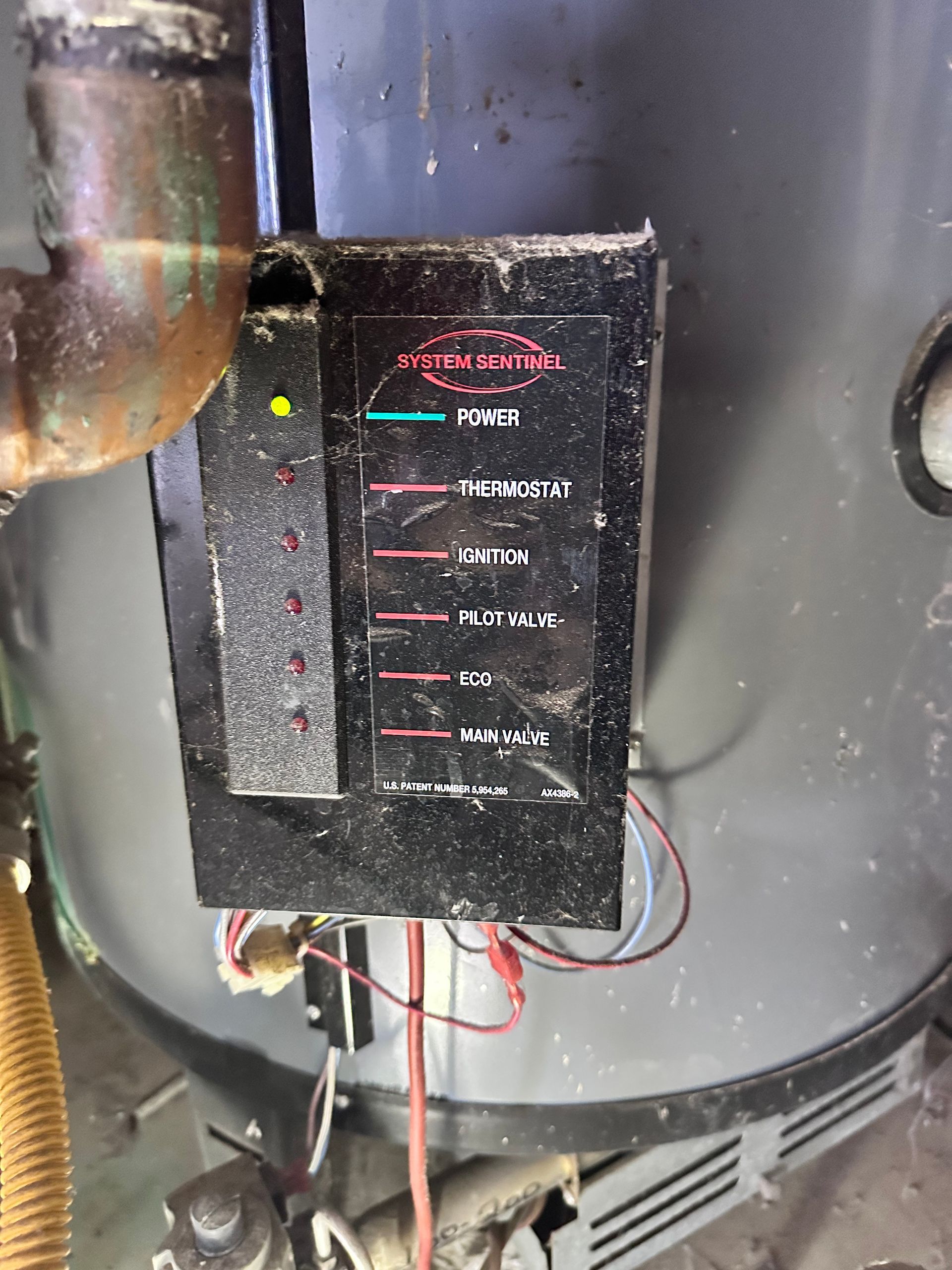
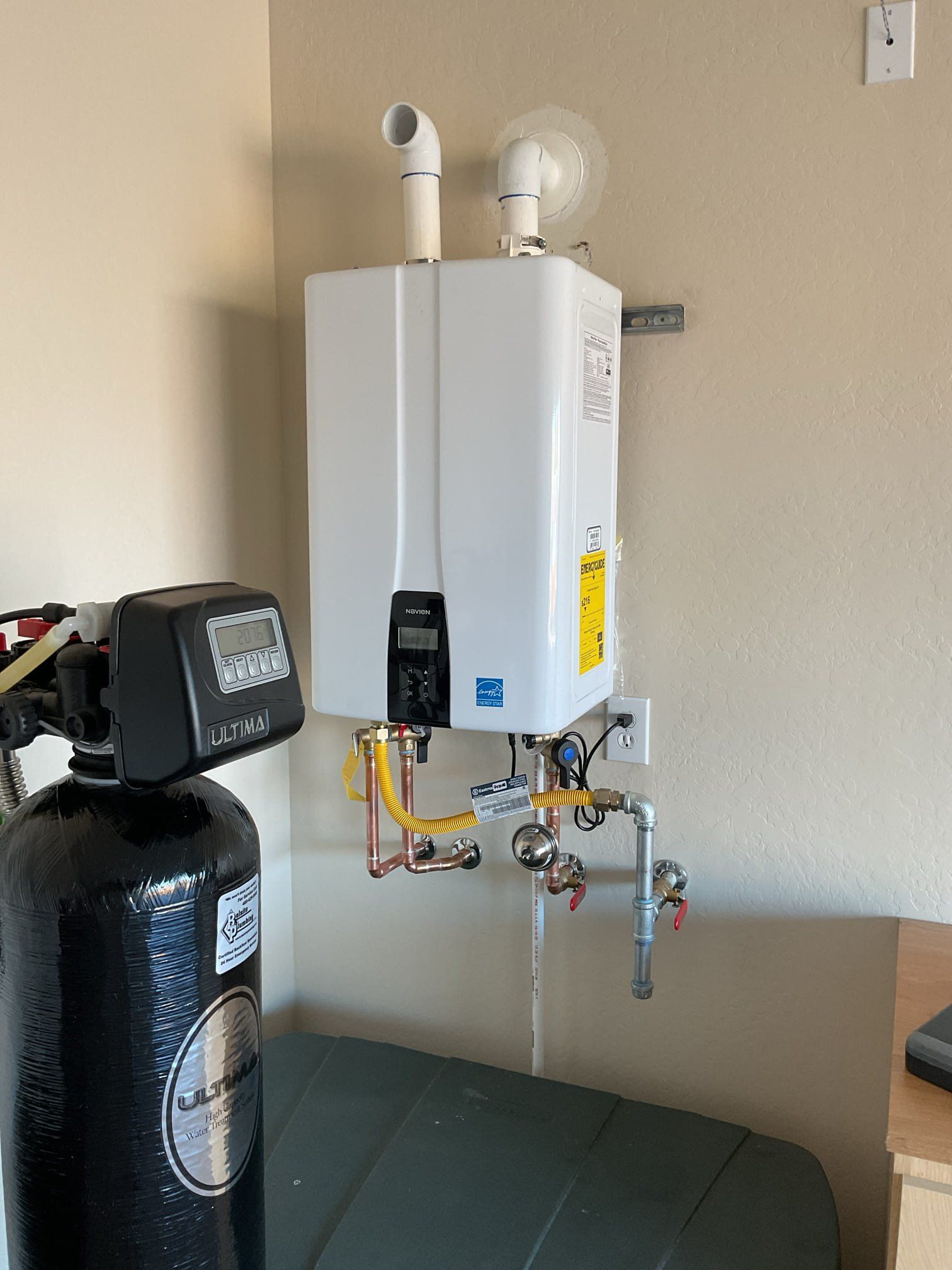
2) Water heater safety (T&P relief discharge)
That relief valve is there for a reason. If a water heater ever over-pressurizes or overheats, it needs a safe way to discharge. When that discharge is done wrong, it can be dangerous and can cause damage.
3) Traps and vents
Traps keep sewer gas from coming into the home. Vents keep drains working and prevent siphoning and pressure issues. Bad venting can create slow drains, gurgling, sewer smells, and recurring clogs that never quite go away.
4) Shutoffs (and access to them)
If you can’t shut the water off quickly, a small leak can become a huge loss. A good install thinks about the day something goes wrong, not just the day everything is new.
Why plumbing code matters even if you “never plan to sell”
Even if you don’t care about resale when it comes to protecting your home, plumbing code protects you from:
●
Hidden damage that takes years to show up
●
Insurance headaches if a claim turns into “unpermitted work”
●
Health risks like contamination or sewer gas exposure
●
Repeated repairs (the expensive kind like opening walls, cutting slabs, etc.)
And if you do sell one day, code issues become negotiation leverage for buyers fast so it is important to stay up to code.
What homeowners should do with this info
You don’t need to memorize code books. But you can ask better questions. Here are three questions to consider if you are a homeowner looking to stay up to code:
- Is this permitted (if it should be)?
- Will this pass inspection where I live?
- Is this being done to the current Georgia code? (IPC 2024 + GA amendments)
If a contractor gets defensive about those questions, that is a red flag that something may not be to code and warrants a second opinion.
Need help, or just want a second opinion?
At MasterCraft, we like to keep information understandable, keep it practical, and do it the right way. If you are planning a remodel, dealing with recurring plumbing issues, or you just want to make sure work is being done correctly, give us a call at
404-456-1144 and one of our team members will be happy to assist you.
Because “it works” isn’t the goal and isn't good enough..
Safe. Reliable. To code. That’s the goal.